

Sauce & Oil
Practical synthetic, natural and blended color solutions for sauces, dressings, chili oil, seasoning oil and oil-containing food systems.
Select an application
How We Select a Sauce & Oil Color Solution
Foudo Color does not recommend colors by shade alone. We review your product type, water or oil phase, pH, salt and sugar level, oil content, heat process, packaging, target shade, cost target and destination market before suggesting a synthetic, natural, blended or oil-compatible color route.
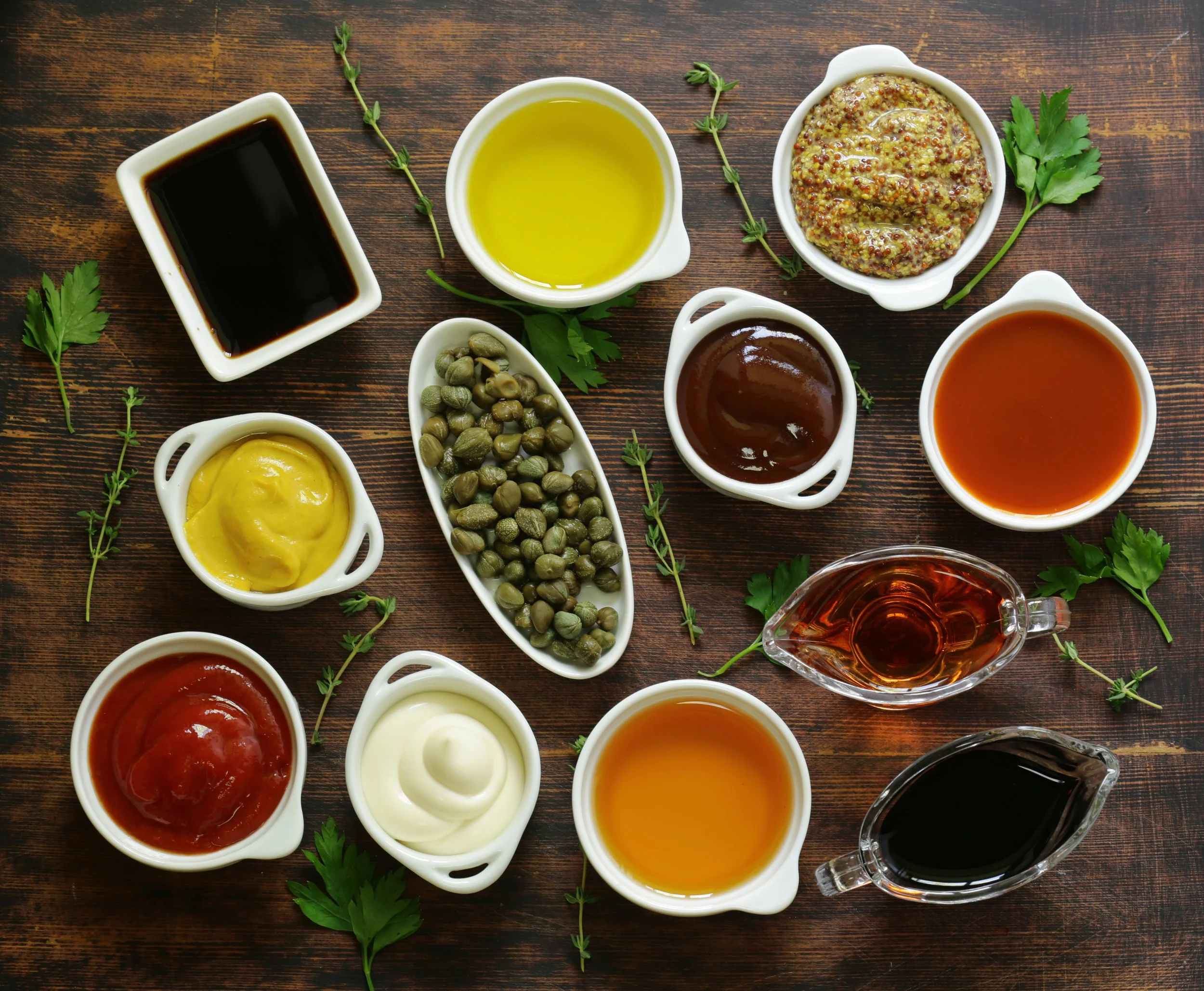
Water-based sauces and condiments often need appetizing colors that match the flavor image, such as tomato red, chili red, barbecue brown, curry yellow or fruit-style shades.
What to check: sauce base, pH, salt and sugar level, heat process, viscosity, flavor system, packaging, storage conditions and destination market regulations.
For bright, consistent and cost-effective sauce products, synthetic colors can be considered where permitted by local regulations.
For natural-origin or upgraded sauce products, Foudo Color reviews the sauce base, acidity, heat process, viscosity and packaging before recommending a natural or blended color starting point. We help prepare samples so the color can be tested in the customer’s actual sauce formula.
Foudo Color supports practical shade matching for tomato, chili, barbecue, curry, fruit sauce and customized condiment applications.
Water-Based Sauces & Condiments
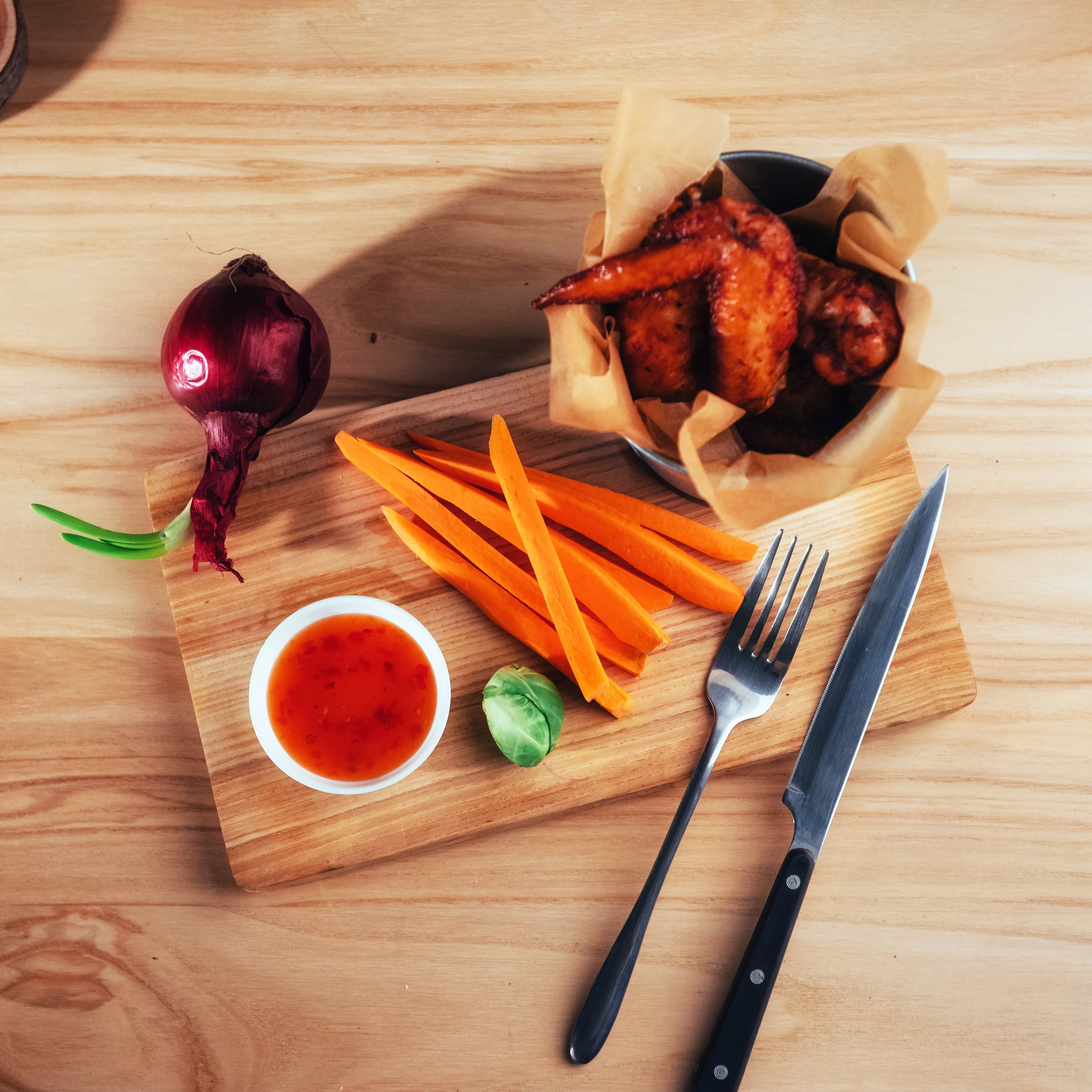
Dressings and emulsified sauces need colors that work with mixed water and oil phases. The final shade may look different in creamy, opaque or semi-opaque sauce systems.
What to check: emulsion type, oil content, pH, vinegar or acid level, opacity, heat process, flavor system, packaging and destination market regulations.
For cost-sensitive dressing and condiment products, synthetic or blended color routes may be considered where permitted by local regulations.
For natural-origin dressing concepts, Foudo Color reviews the emulsion system, oil level, acidity and target appearance before recommending a natural or blended color starting point. Sample testing is important because emulsified systems can change the final color appearance.
Foudo Color helps adjust shade strength and color direction based on the customer’s dressing base, product positioning and market requirements.
Dressings & Emulsified Sauces
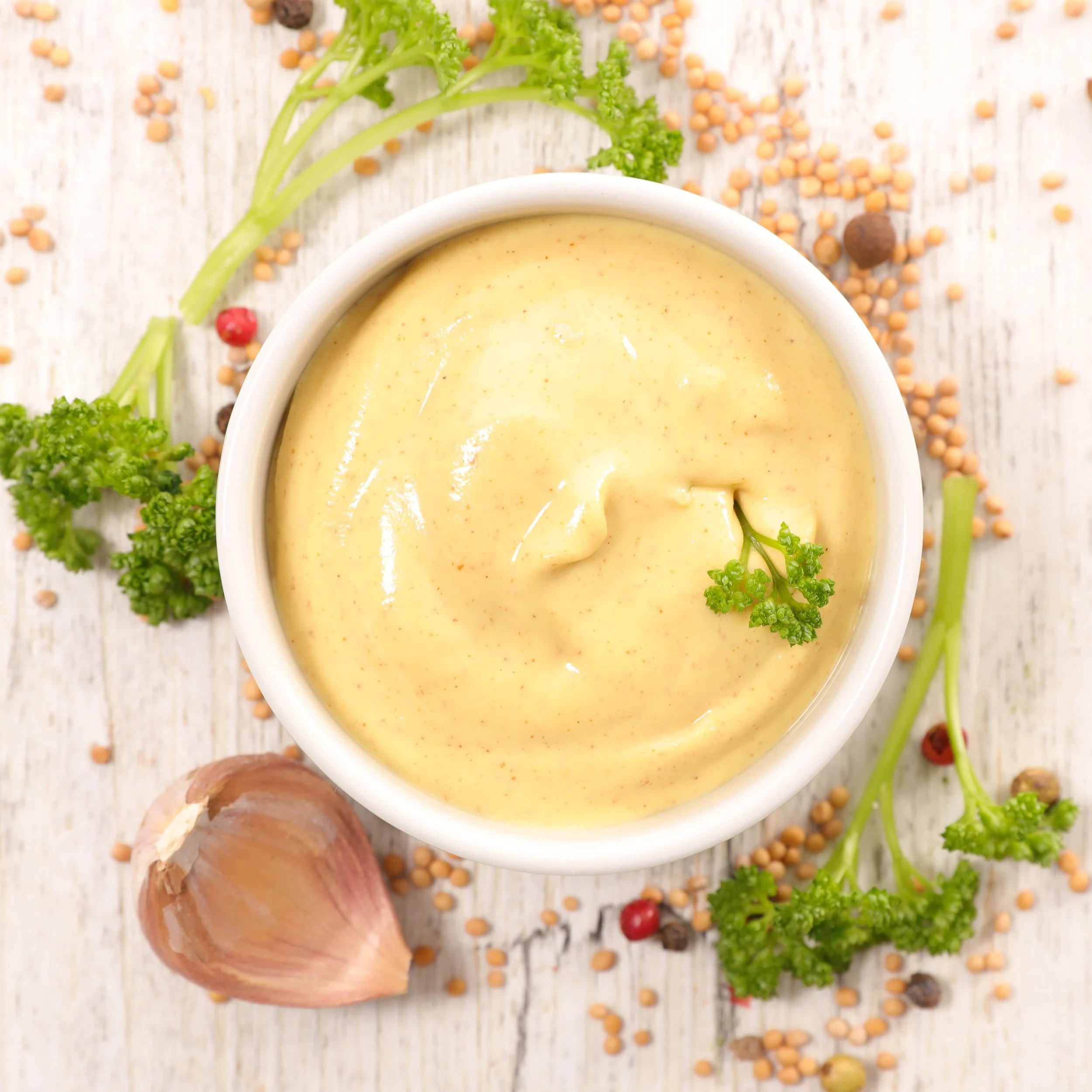
Chili oil, red oil and seasoning oil products need warm, attractive and consistent oil-phase colors that support the spicy or savory product image.
What to check: oil type, chili or spice content, filtration, heating process, light exposure, bottle type, storage conditions and destination market regulations.
For oil-based applications, Foudo Color reviews whether the color needs to be oil-dispersible or oil-compatible based on the customer’s formula and confirmed product specifications.
Natural or blended color options may be considered for selected oil-based products, but the final color should be tested in the actual oil system, especially under heat, light exposure and storage conditions.
Foudo Color helps customers develop practical chili red, orange-red, golden yellow and savory oil shades for testing.
Chili Oil & Seasoning Oil
Oil-Based Coatings & High-Oil Seasonings
Oil-based and high-oil food systems need colors that distribute properly in the product base and create an attractive finished appearance.
What to check: oil or fat content, coating method, product base, heat exposure, mixing process, surface appearance, storage conditions, packaging and destination market regulations.
For strong and consistent savory shades, synthetic or blended color routes may be practical where permitted by local regulations and suitable for the application.
For natural-origin or upgraded high-oil products, Foudo Color reviews the oil level, processing method, surface appearance and target shade before recommending a suitable starting point for testing.
Foudo Color supports sample preparation, shade adjustment and practical color matching for oil-containing food applications.
How Foudo Color Works
From application review to sample testing, Foudo Color helps you choose a practical starting point.
Share Application
Tell us your product type, target shade, formula condition and destination market.
Confirm Direction
We review whether a synthetic, natural or blended route may be suitable.
Prepare Samples
Samples can be prepared for testing based on the confirmed color direction.
Adjust & Confirm
We support shade adjustment, specification confirmation and packaging discussion.